The top 10 oldest F1 Grand Prix winners – and where Hamilton now ranks
Lewis Hamilton recently secured his maiden Grand Prix victory with Ferrari at the age of 41 – who does he join on the list of oldest race winners?
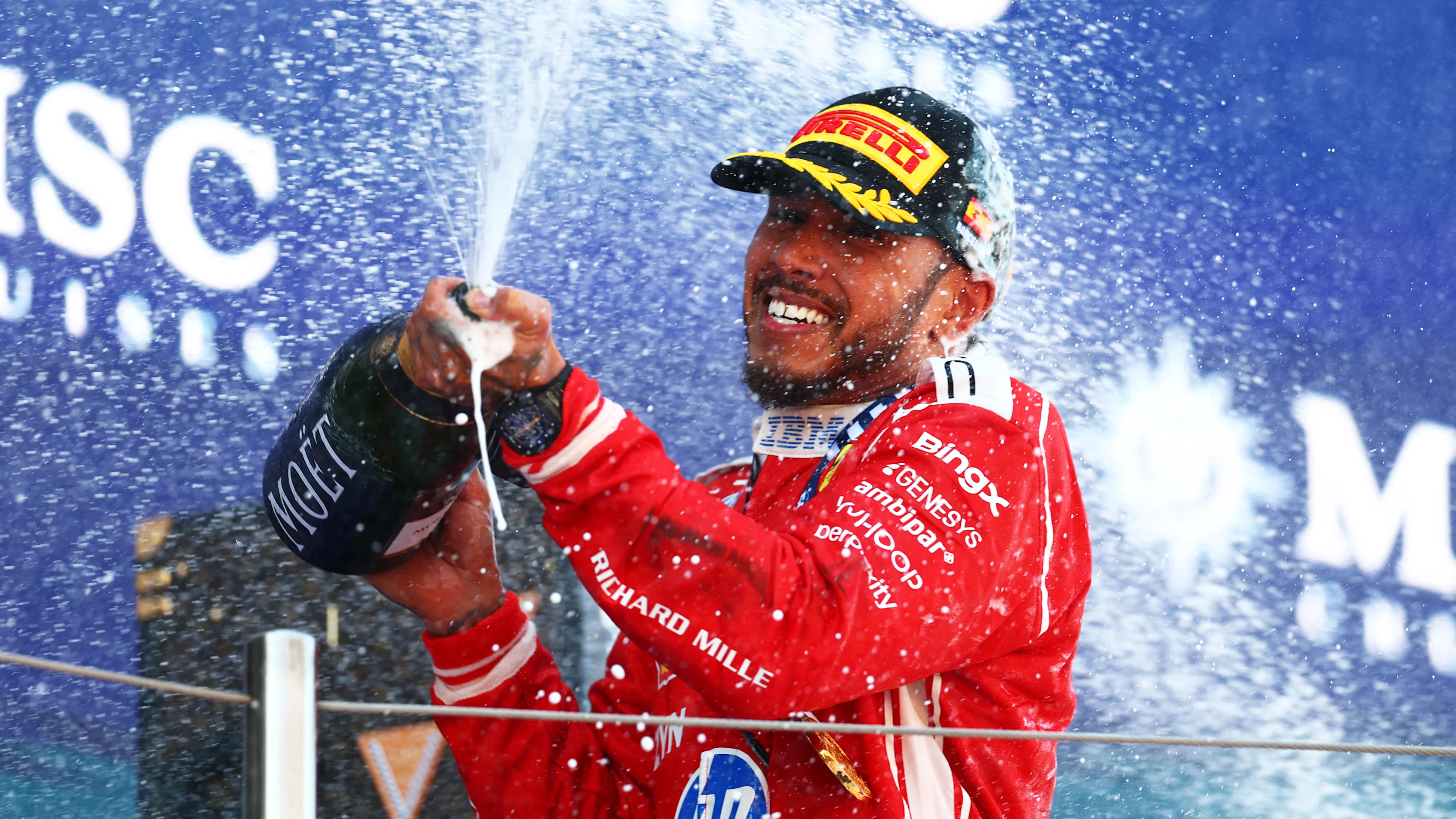
Lewis Hamilton made headlines when he won the 2026 Barcelona-Catalunya Grand Prix for Ferrari on Sunday, marking his maiden victory with the Scuderia as well as his first triumph in his 40s. He’s far from the only older driver to enjoy the glory of a race win, but where does he rank on the list? Let's delve into the 10 oldest F1 Grand Prix winners…
Luigi Fagioli – 53 years, 22 days (1951 French Grand Prix)
Italy’s Luigi Fagioli holds this honour by quite a way, having made his debut in the championship’s inaugural 1950 season at the age of 52. Competing for Alfa Romeo, he was nicknamed the ‘Abruzzi Robber’ for his ability to snatch race leads when others were forced to retire.
With five podiums under his belt in 1950, he began the following season seeking to clinch his first victory, but could only qualify seventh at the French Grand Prix. His team mate, the legendary Juan Manuel Fangio, started from pole position and looked as strong as ever until suffering an engine issue 10 laps in.
When Fagioli came in for a pit stop, the team ordered that he swap with Fangio to allow him to chase down the win in a healthy car. The switch did indeed result in success for the Argentine driver, while Fagioli wound up P11 – he was nevertheless classified as sharing first place in one of three instances where two drivers would be credited with victory. Allegedly furious about the decision, the veteran quit soon after and never raced a Grand Prix car again.
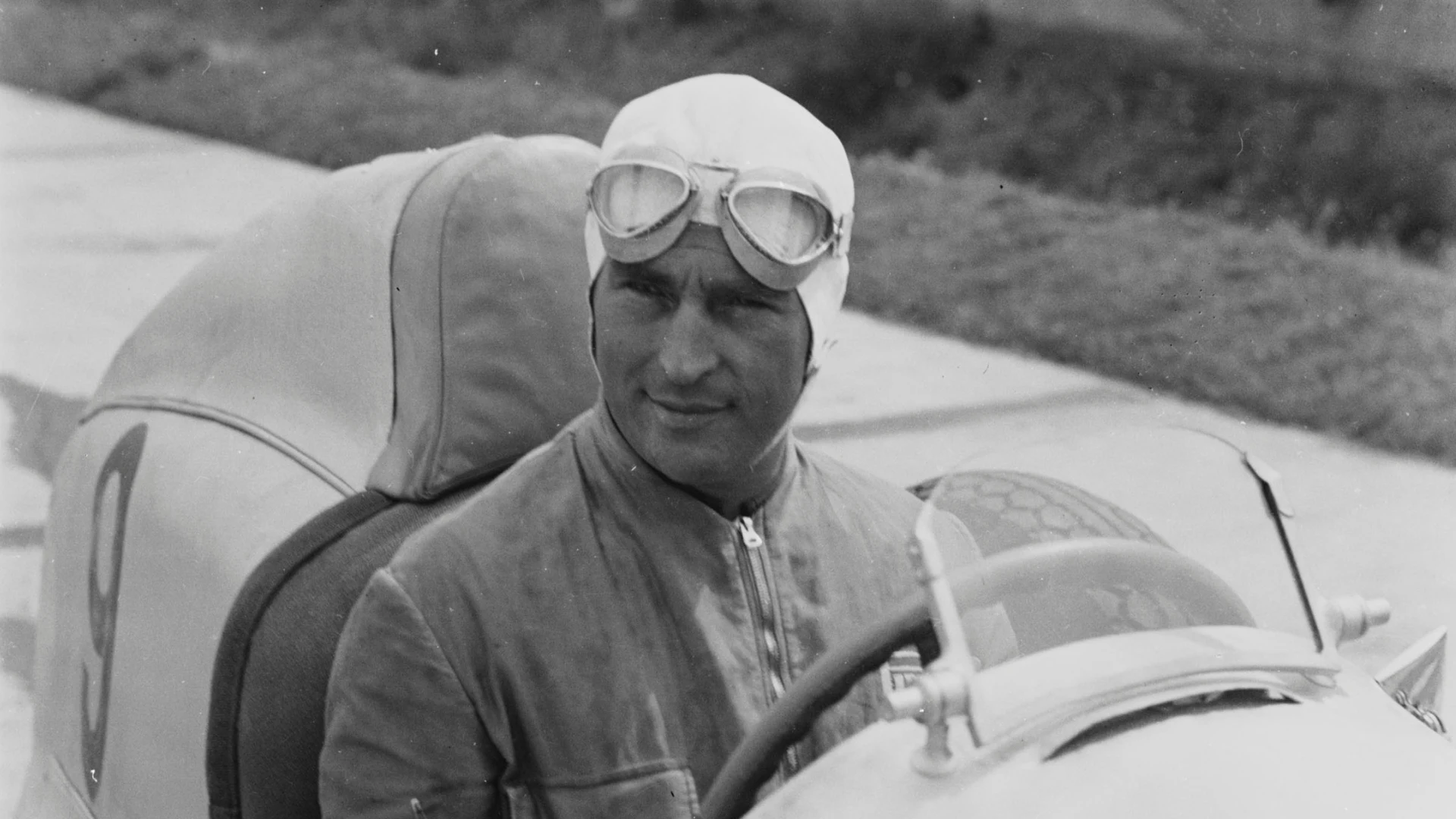
Giuseppe Farina – 46 years, 9 months, 3 days (1953 German Grand Prix)
You may know him as the first F1 World Champion, but Giuseppe Farina – known as ‘Nino’ to many – also remains the second-oldest race winner in history. After failing to stand on the top step in his maiden campaign with Ferrari, he arrived at the Nurburgring for the 1953 German Grand Prix with that sole mission in mind.
His team mate Alberto Ascari qualified on pole, two positions above him, before encountering the concerning issue of losing a wheel early in the race. With lap times approaching 10 minutes around the challenging circuit, Farina made the most of a tussle between Fangio and Mike Hawthorn for the now-available race lead, passing both on Lap 8.
Despite a remarkable charge through the field by Ascari in another Ferrari, he wasn’t able to break into the top three and Farina secured his fifth and final career victory, beating Fangio to the chequered flag by over a minute. It was his last hurrah as a string of injuries and tragedy, including the death of Ascari, led to his retirement from the sport in 1955.
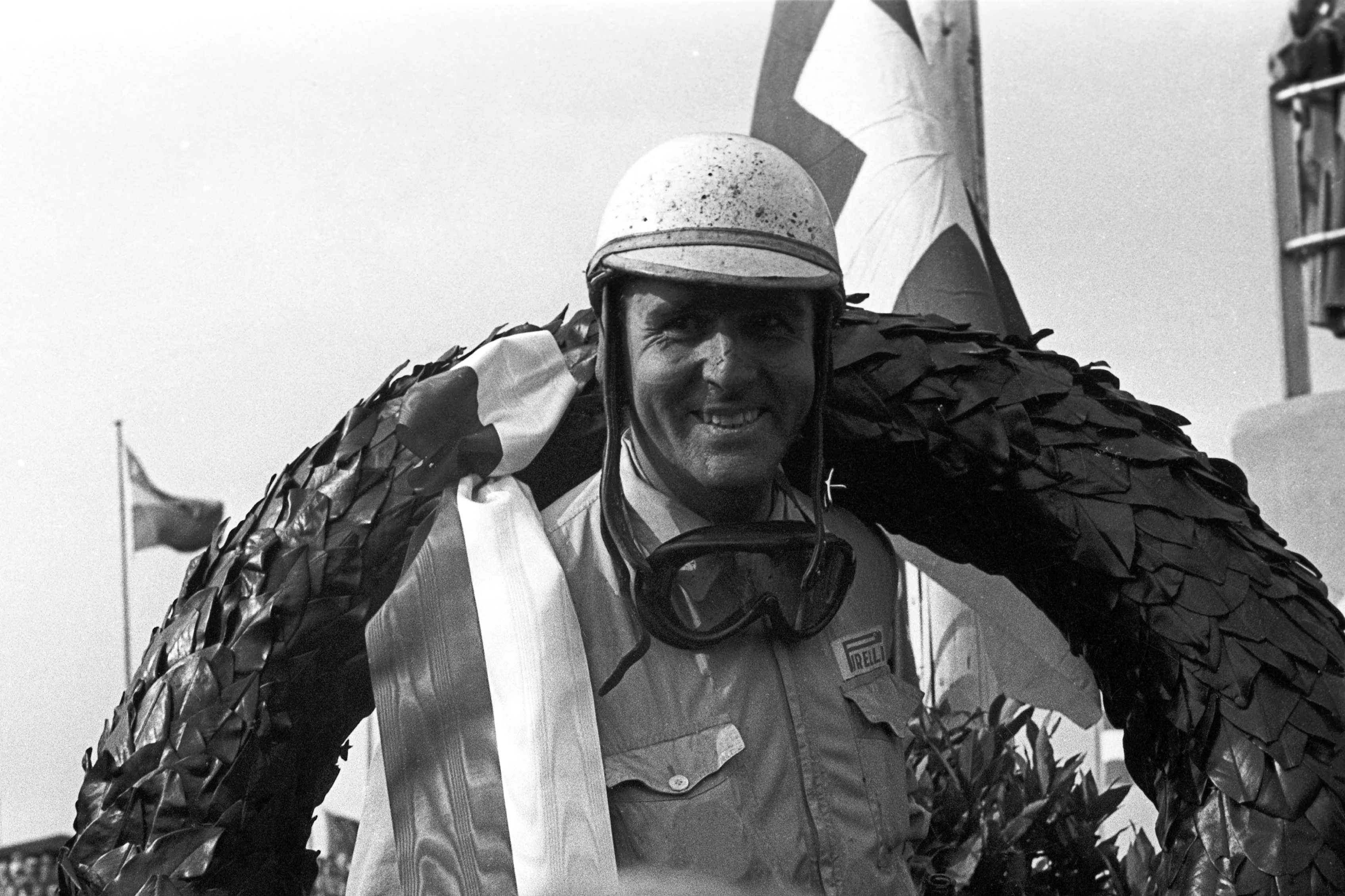
Juan Manuel Fangio – 46 years, 1 month, 11 days (1957 German Grand Prix)
The Nurburgring makes a second entry as it played host to Fangio’s last victory in the 1957 German Grand Prix – his 24th overall. Often referred to as one of the greatest performances in motorsport, it helped him to clinch his fifth World Drivers’ Championship with two rounds of the season to go.
Taking pole position for Maserati, he built up a commanding lead of around 30s over Ferrari’s Hawthorn and Peter Collins, with the Argentine driver noting that they were attempting to last the entire race without refuelling or switching tyres. Hoping that he could edge them out with a lower fuel load, Fangio’s strategy was somewhat cancelled out when a mechanic dropped a nut under his car. When they eventually found it, he had fallen to P3 with a sizeable deficit to Collins up ahead.
However, the 46-year-old was never one to be written off and went on to repeatedly break the lap record before fighting his way past the two Ferraris, crossing the line a few seconds ahead of Hawthorn. Now with five titles to his name, he retired from F1 the following season but remained a key figure in motorsport until his death in 1995.
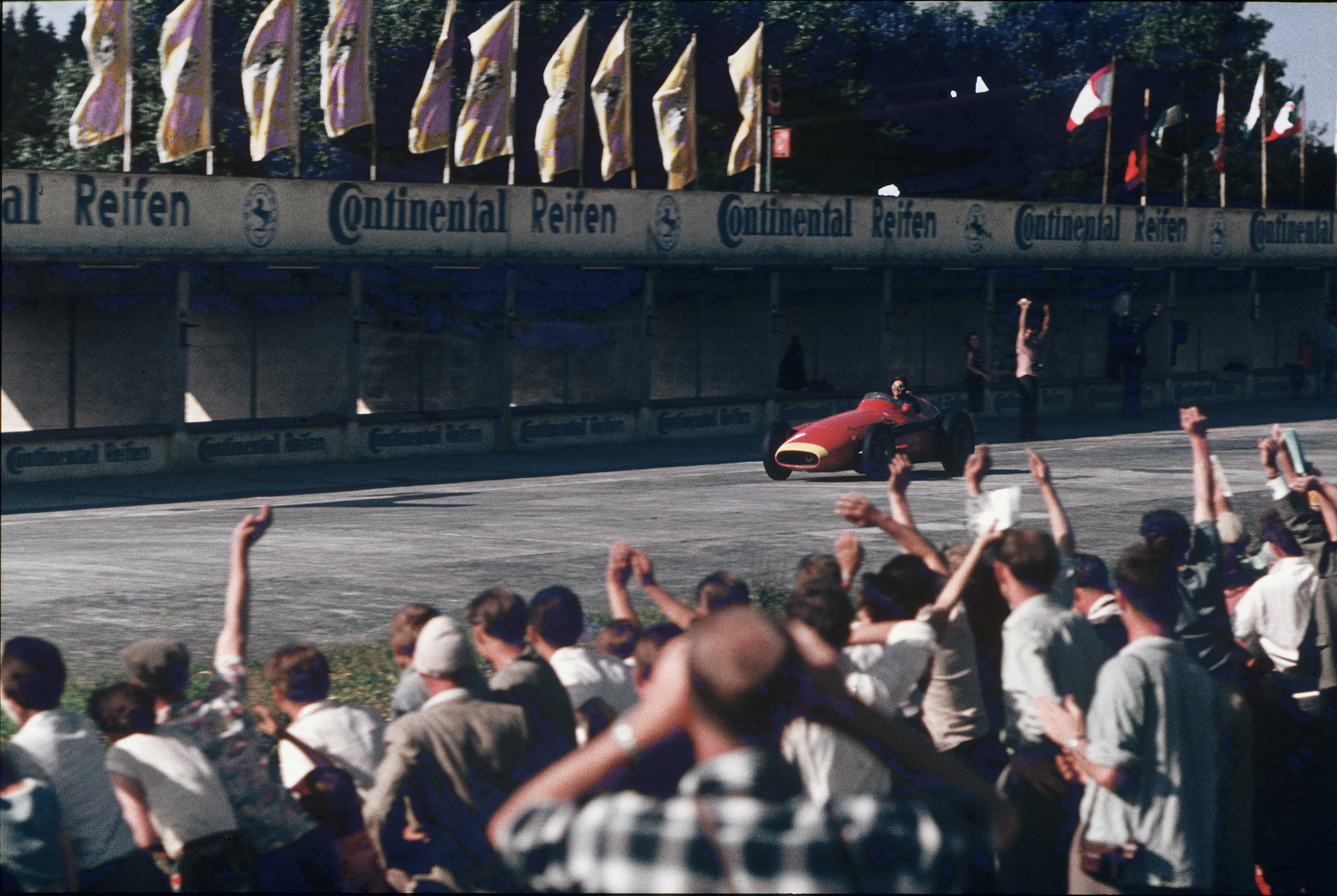
Piero Taruffi – 45 years, 7 months, 6 days (1952 Swiss Grand Prix)
With roots in motorcycle racing, Piero Taruffi combined his F1 career with competing in sportscars, but only claimed a single win in the World Championship at the 1952 Swiss Grand Prix.
It was the opening round of the season and, due to the financially damaging withdrawal of Alfa Romeo at the end of 1951, the sport had started using Formula 2 rules. This boosted the size of the grid as more constructors were willing to take part, leading to 22 drivers starting the weekend.
Taruffi’s Ferrari team mate Farina led from pole until his car broke down, handing the Italian first place on track. Grabbing the opportunity to win with both hands, Taruffi lapped every driver bar one on his way to victory, which ended up being his best result in 18 entries between 1950 and 1956.
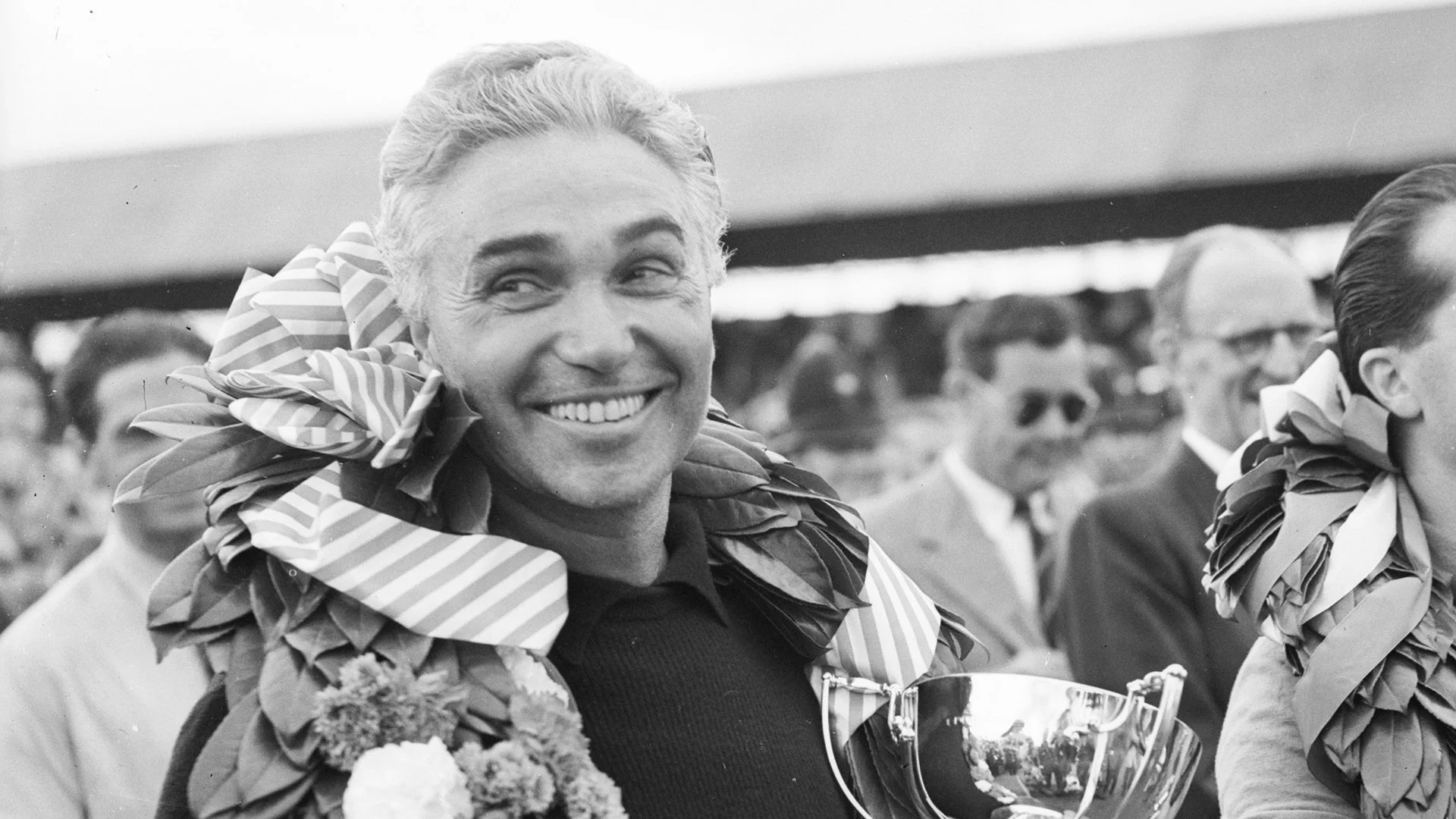
Jack Brabham – 43 years, 11 months, 5 days (1970 South African Grand Prix)
Still the only driver to win the title in a car of his own make, which he achieved in 1966, Jack Brabham was a three-time World Champion winding down his career when the 1970 season kicked off.
The Australian had seriously injured his foot the previous year and was ready to retire, but couldn’t find any top drivers to replace him so decided to stick it out for one more campaign. At the season opener held at the Kyalami Circuit, he qualified third but suffered an early setback when he got inadvertently caught up in contact between Chris Amon and Jochen Rindt.
After tumbling down the order, Brabham battled his way back through and sailed past reigning champion Jackie Stewart to move into the lead, holding off a charge by McLaren’s Denny Hulme to achieve his 14th and last win before retirement
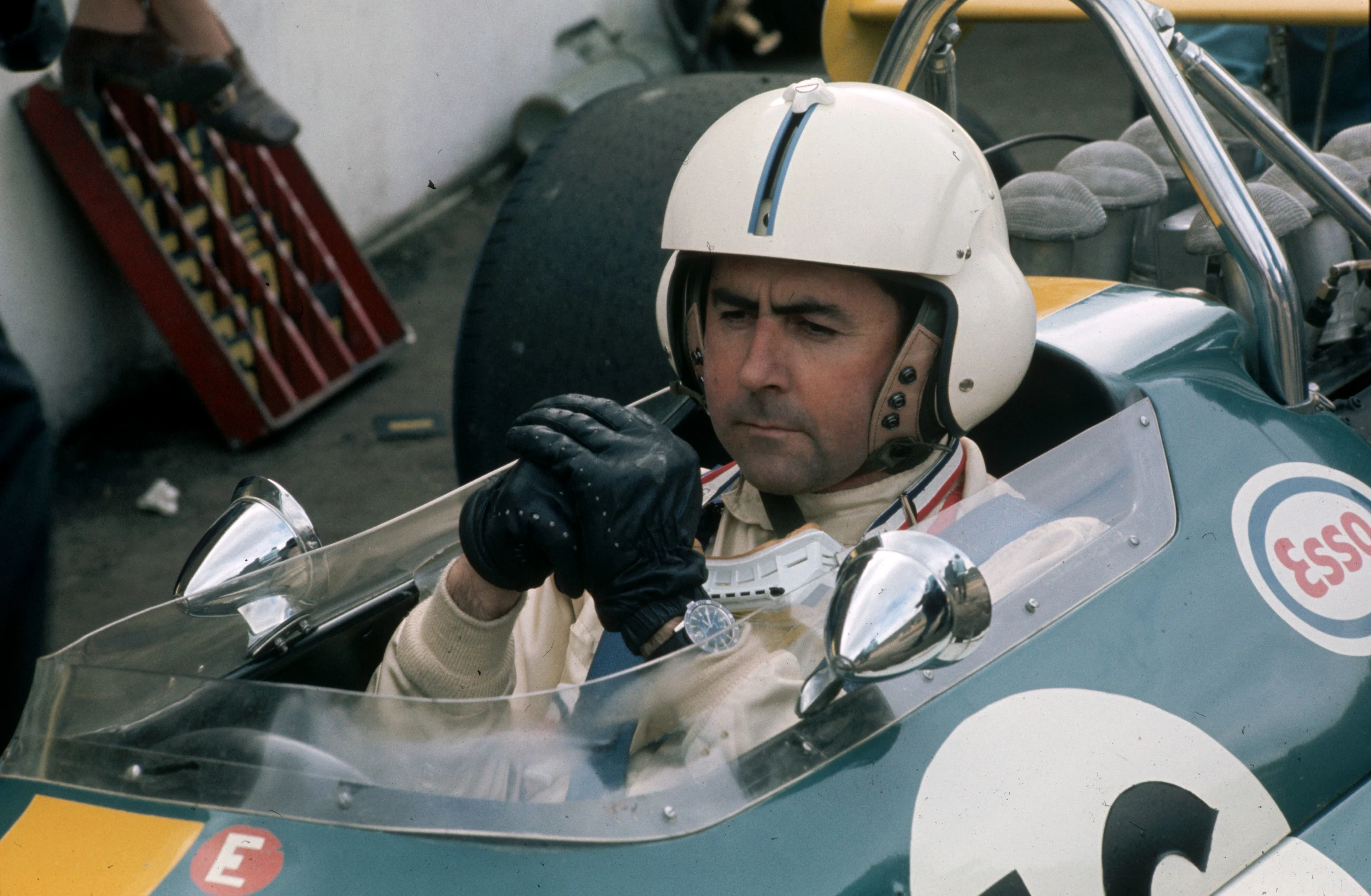
Sam Hanks – 42 years, 10 months, 17 days (1957 Indianapolis 500)
Between 1950 and 1960, points won in the Indy 500 counted towards the F1 World Championship, even though drivers frequently ran cars with different specifications between the two.
None of the regular F1 competitors decided to partake in the 1957 edition, resulting in an all-American grid with Sam Hanks starting on the fifth row in his 13th attempt at the annual race. With the lead exchanging hands multiple times in the first stint, the battles saw Hanks close up to the front and surge into P1.
He went on to lose the lead twice before securing it for good on Lap 135, earning both the honour of winning the prestigious event and eight points in the F1 standings. It was the only round of the season he drove in, but Hanks nevertheless finished P8 thanks to his Indianapolis victory and retired at the end of the year.
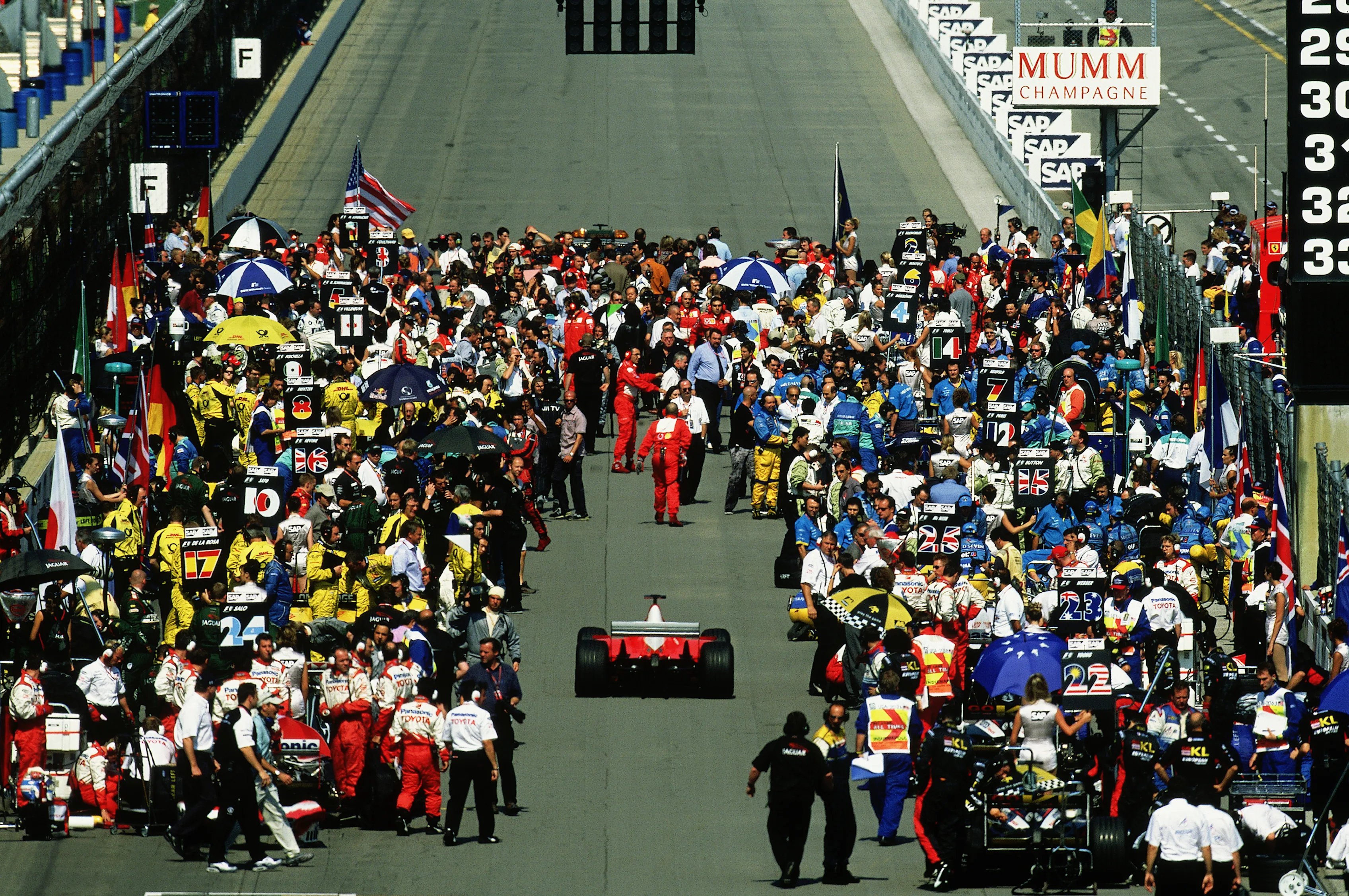
Lewis Hamilton – 41 years, 5 months, 7 days (2026 Barcelona-Catalunya Grand Prix)
Some drivers left the sport after winning in the later part of their careers, but Hamilton made it look like he’s starting a new chapter with Ferrari rather than closing the book. Eager to return to his best after an underwhelming 2025 season, the Briton followed up a pair of podiums in Canada and Monaco with a win at the Circuit de Barcelona-Catalunya.
Hamilton delivered a stunning lap in the dying moments of Q3 to get onto the front row, and he held onto P2 behind polesitter George Russell in the opening stint. His race came alive in the pits as the Ferrari man executed a bold three-stop strategy to pass Mercedes and employ his fresher tyres to win the Grand Prix.
His history-making 106th victory saw the seven-time World Champion become the first driver to triumph in his 20s, 30s and 40s and opened up a potential title challenge – he currently sits 41 points behind Kimi Antonelli in the standings.
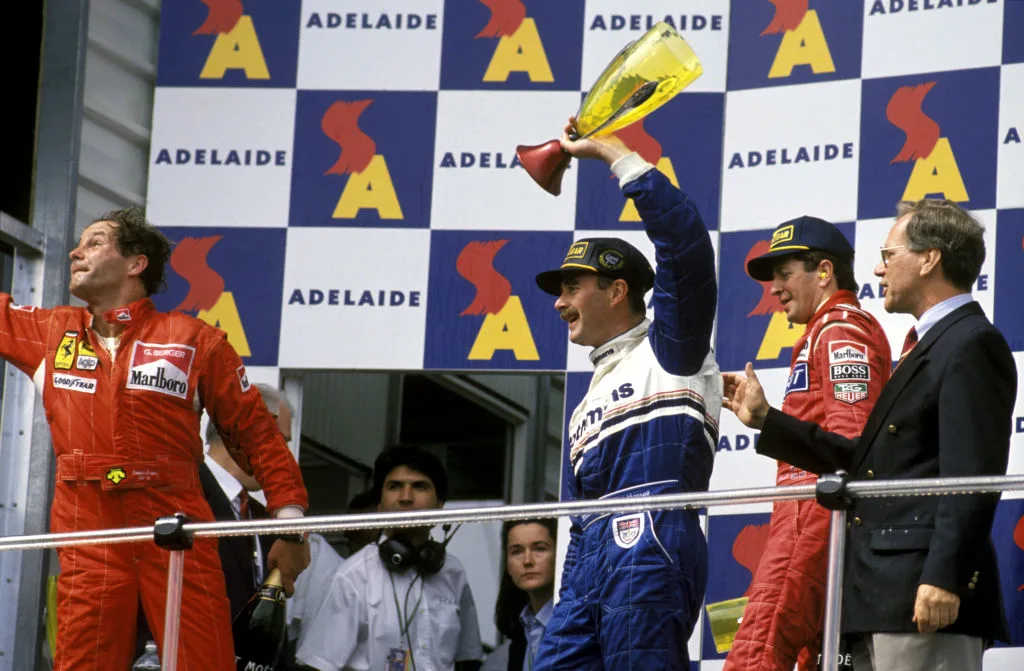
Nigel Mansell – 41 years, 3 months, 5 days (1994 Australian Grand Prix)
Nigel Mansell had already taken some time away from Formula 1 when he was brought back by Williams for the final four races of 1994. The Briton had enjoyed incredible success with the team, having been crowned champion in 1992, but quit F1 at the end of the year to race in the United States.
Despite returning in devastating circumstances following Ayrton Senna’s death, he managed to outqualify his team mate Damon Hill and Benetton’s Michael Schumacher, who were separated by just one point heading into the season finale in Adelaide. With the title at risk, the pair sped past Mansell at the start but eventually collided, handing Schumacher his first World Championship in controversial style.
The 41-year-old inherited the lead before heading to the pits, and then overtook Gerhard Berger on track to seal the win – his 31st and last. He went on to take a punt on joining McLaren for the 1995 season, but retired after driving in just two races, citing the car’s poor handling and lack of competitiveness.
Maurice Trintignant – 40 years, 6 months, 18 days (1958 Monaco Grand Prix)
Maurice Trintignant raced in F1 over a mammoth 15 seasons between 1950 and 1964, winning two Grands Prix and the 1954 24 Hours of Le Mans in the process.
The Frenchman started the Monaco Grand Prix from the P5 grid slot in 1958, with one victory at the iconic circuit secured three years prior. Like many races in that decade, it was characterised by mass retirements that served Trintignant well – he benefitted from problems for drivers like Tony Brooks, Stirling Moss, Hawthorn and newcomer Graham Hill to take the lead.
After gradually moving up the order, he took his second win in Monaco by 20s over Ferrari’s Luigi Musso and Collins. The top step would elude him for the rest of his career and he decided to leave the racing world in 1965, stepping into winemaking.
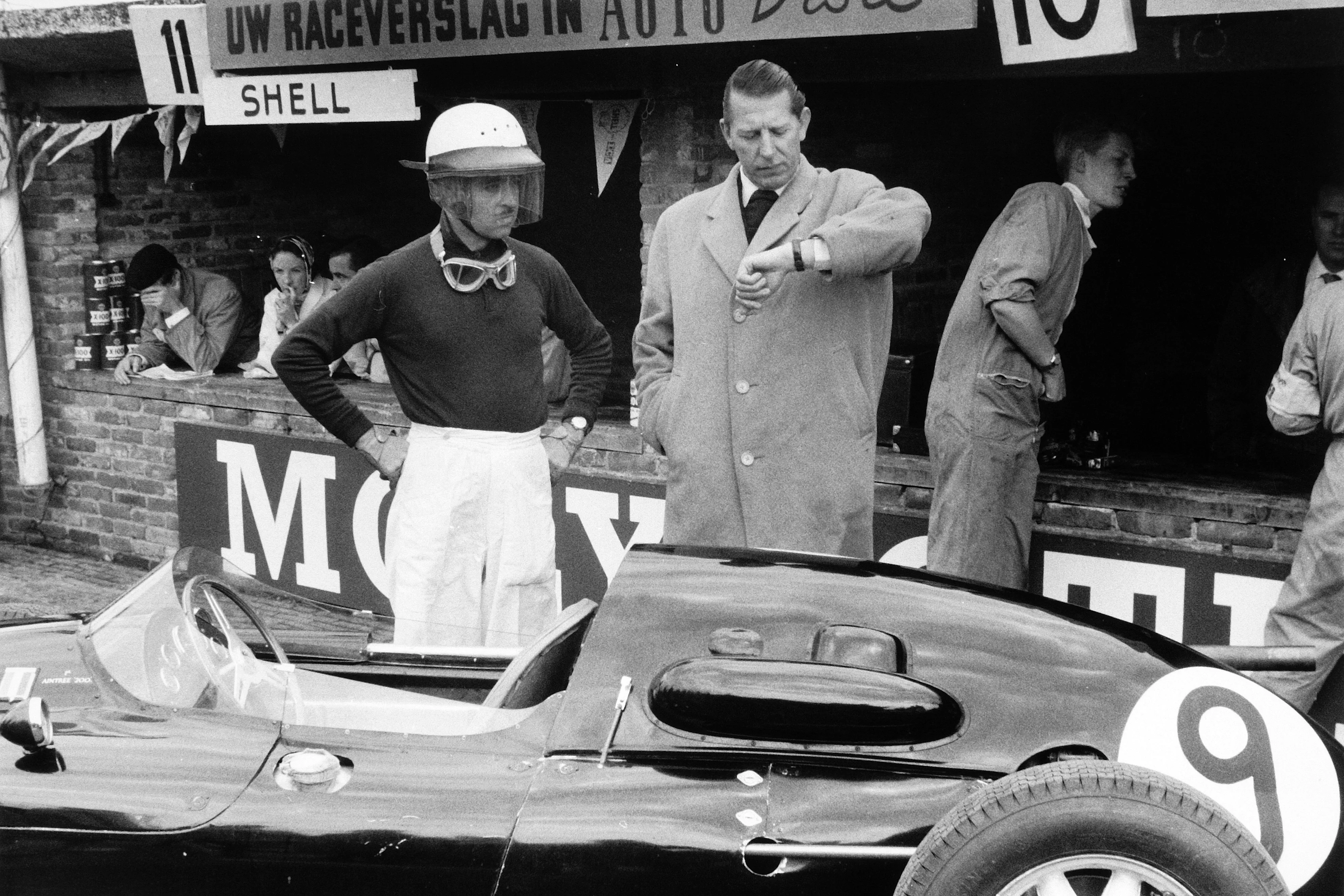
Graham Hill – 40 years, 3 months, 3 days (1969 Monaco Grand Prix)
Taking the spot of the 10th-oldest race winner is Mr Monaco himself, who remains the only driver in history to complete the Triple Crown of Motorsport, no matter whether you use the World Championship (which he won in 1962 and 1968) or victory in Monaco (which Hill achieved a colossal five times in 1963, 1964, 1965, 1968 and 1969) in the definition.
Starting the Principality’s 1969 race from fourth on the grid, he quickly improved to P3 while polesitter Stewart defended against Ferrari driver Amon. The battling duo ultimately both endured mechanical failures that let Hill charge into the lead and win with a margin of 17s over Brabham’s Piers Courage.
Unfortunately, an incident at Watkins Glen later that season saw the Briton break both of his legs. When he returned to racing, he was unable to add to his tally of 14 Grand Prix wins but nevertheless remained in F1 until 1975.
Next Up
Related Articles
 Sainz 'not expecting miracles' after Williams struggle in US
 Gademan grabs second win with assured Austin drive
 LiveLIVE COVERAGE: All the action from the United States Grand Prix
 OFFICIAL GRID: Who starts where for the United States Grand Prix
 Palmowski crowned 2026 champion as Larsen takes maiden victory
 How Lawson helped Lindblad by sacrificing his Q3 run