Advanced sustainable fuel is part of F1’s Net Zero 2030 strategy – but how does it all work, and what does it mean? This video explains all in under three minutes.
The next Formula 1 revolution is nearly here as F1 is working with major fuel manufacturers to develop a 100% sustainable hybrid fuel, that will be introduced in 2026 – when the new era of F1 hybrid power units is introduced.
Currently, F1 uses E10 fuel – 10% renewable ethanol – but the motorsport is pushing for more.
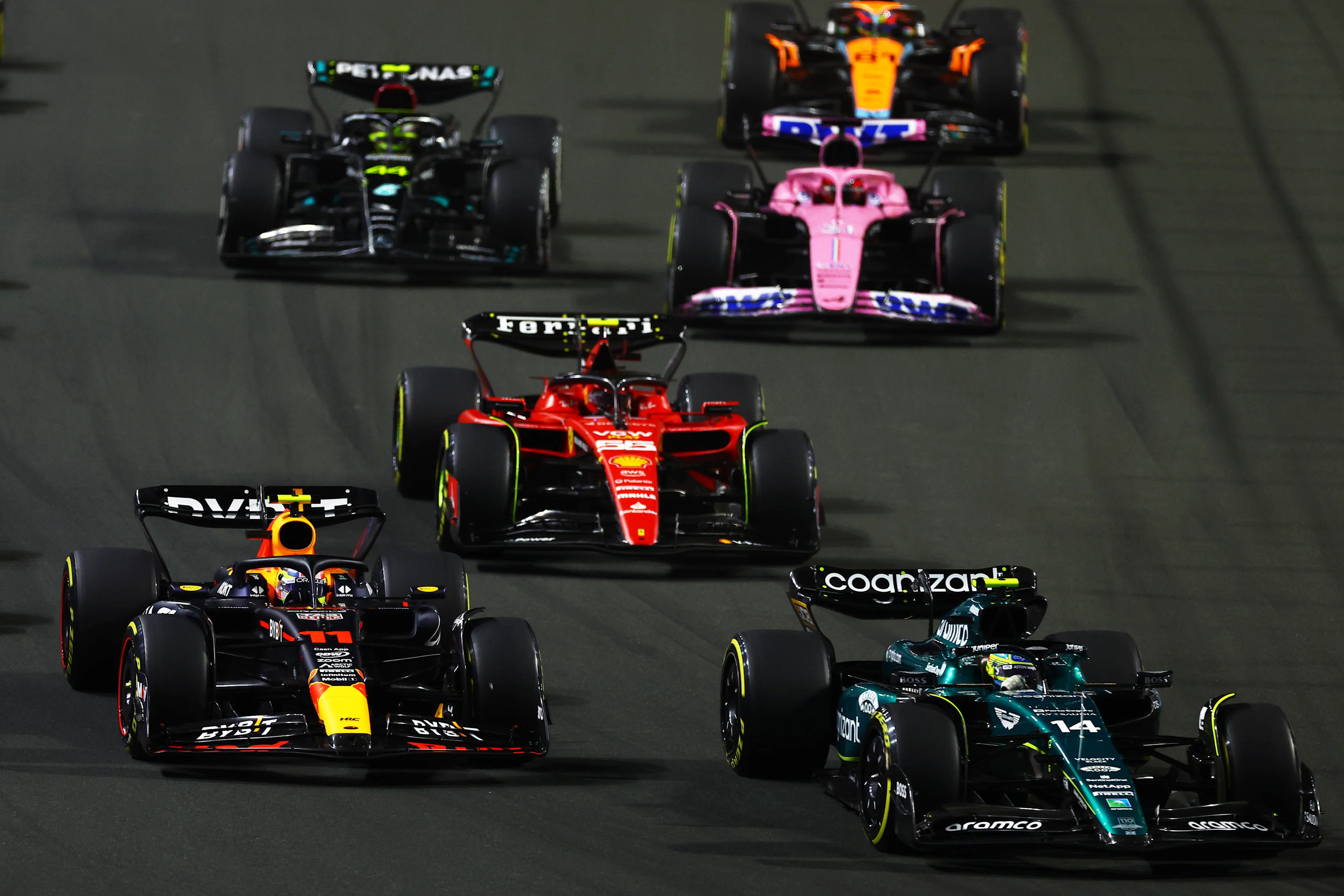
Sustainable fuel won’t add to the overall amount of carbon in the atmosphere but it will ensure that the existing combustion-engined cars continue to move. It’s part of Formula 1’s push towards Net Zero Carbon by 2030, an ambitious target that will be achieved with the help of manufacturers, teams, promoters and partners.
READ MORE: Net Zero Carbon: How Formula 1 is going to meet this ambitious target by 2030
Existing initiatives include sustainability efforts at race circuits, focusing on areas such as plastic and waste, wellbeing and nature, and improving fan mobility. Back at base, F1’s offices are now using 100% renewable energy with the company and numerous F1 teams having earned 3* FIA environmental accreditation – while more and more fans are using public transport and walking to venues.
Watch the video explainer above to learn why F1 is pursuing sustainable fuels, how they will work, and what it means for you.
Next Up
Related Articles
 AS IT HAPPENED: Third practice in the United States
 Leclerc warns against ‘high expectations’ at US GP
 BettingOur Bet Builder prediction for the United States GP
 AS IT HAPPENED: All the action from Qualifying for the US GP
 Antonelli seizes pole position for the United States GP
 What the teams said – Friday in the United States